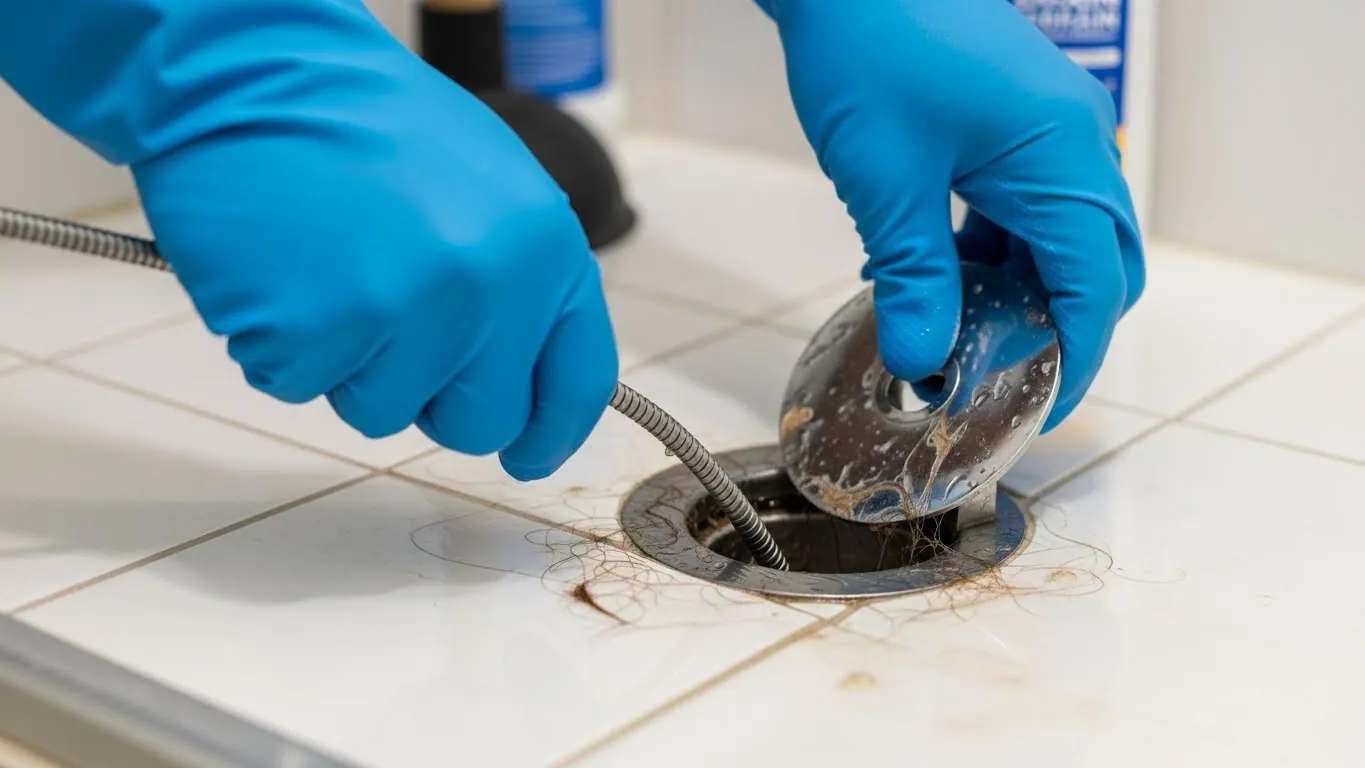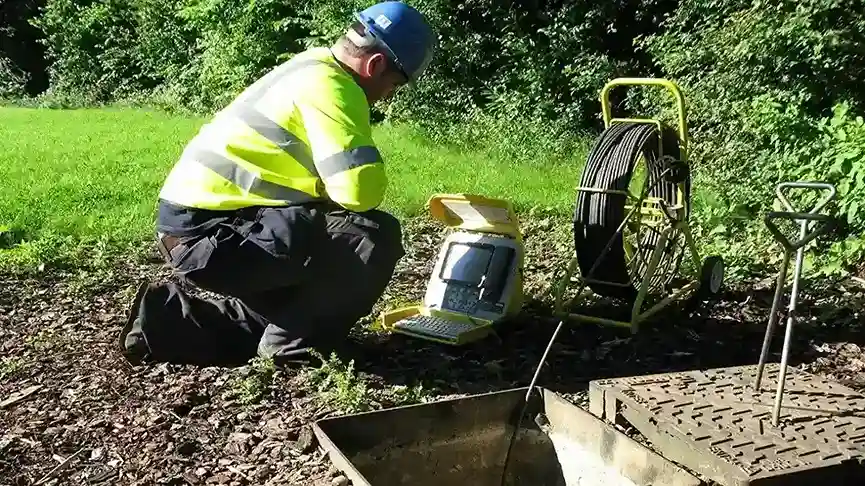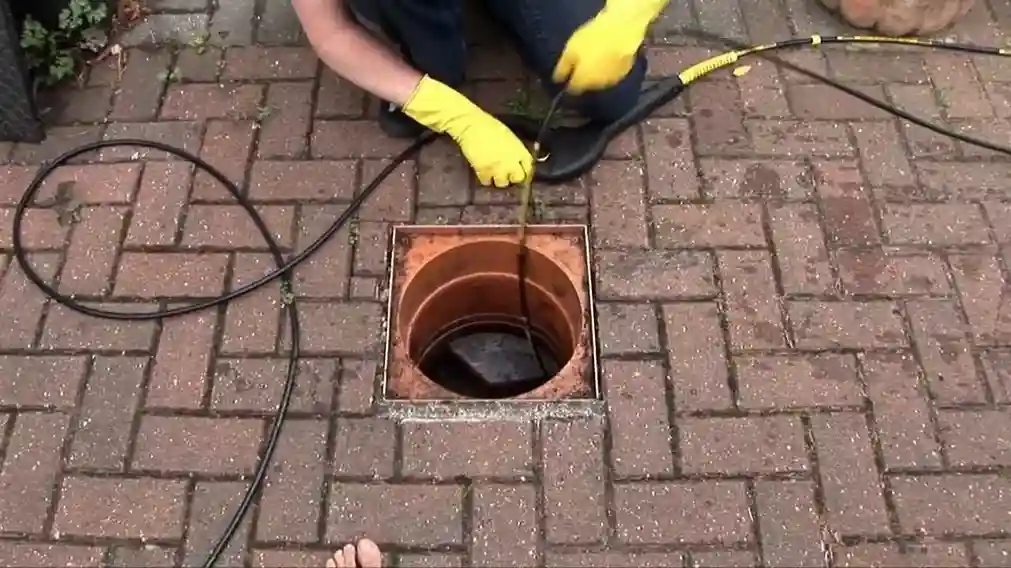
Blocked outside drains are a common issue for homeowners, particularly after heavy rain or seasonal debris build up. When left untreated, blockages can lead to flooding, unpleasant odours and property damage. Understanding how outside drains become blocked and how to clear them safely helps prevent costly repairs. Acting early reduces disruption and long term drainage problems.
Why Outside Drains Commonly Become Blocked in Salisbury
Outside drains often become blocked due to a combination of natural debris and household waste entering the system. In Salisbury properties, older drainage layouts and surrounding vegetation increase the risk of recurring issues. Recognizing early warning signs helps prevent complete blockages and external flooding.
Local ground conditions and weather patterns also play a role. Heavy rainfall can wash leaves, soil and organic matter into gullies, increasing pressure on the drainage system. This makes prompt attention to a Blocked Drain in Salisbury especially important.
Common Causes of Outside Drain Blockages
Outside drain blockages usually develop gradually rather than suddenly. Several common materials contribute to reduced flow and eventual obstruction. Identifying the cause helps determine the safest and most effective solution.
- Accumulated leaves and garden debris
- Built up grease and fat deposits
- Silt and soil washed into gullies
These materials restrict water movement and trap further waste. Over time, the blockage worsens and increases the likelihood of surface flooding.
How Drain Design and Age Affect Blockage Risk
Drain design and age significantly influence how often blockages occur. Older systems are more vulnerable to disruption and reduced flow capacity.
Older Clay Pipework
Clay pipes are prone to cracking and root intrusion. Small defects allow debris to collect more easily.
Shallow Drain Channels
Shallow drains fill quickly with surface debris. This increases blockage frequency after storms.
Limited Access Points
Few inspection chambers make maintenance difficult. Blockages often worsen before detection.
Understanding these factors helps homeowners assess risk and plan maintenance more effectively. Blocked outside drains rarely clear themselves. Early action reduces damage and helps maintain consistent drainage flow around the property.
Early Warning Signs of an Outside Drain Blockage
Early warning signs often appear before complete blockage occurs. Spotting these indicators allows intervention before flooding or structural damage develops.
- Slow draining water around gullies
- Gurgling sounds from external pipework
- Persistent unpleasant odours
Ignoring these signs can lead to overflowing drains and water damage. Prompt attention keeps repair costs manageable.
Why Professional Diagnosis Prevents Repeat Issues
Professional diagnosis identifies the underlying cause rather than just clearing visible waste. This reduces the risk of repeat blockages.
Drain Inspection Techniques
Specialist equipment reveals hidden obstructions. This allows targeted removal.
Root Intrusion Assessment
Professionals identify root growth affecting pipes. Early removal prevents pipe collapse.
Flow Testing
Testing confirms full drainage restoration. This ensures long term effectiveness.
Homeowners who choose Drainage Care Solutions often benefit from thorough inspections that prevent recurring outside drain problems.
Safe DIY Methods to Unblock an Outside Drain
Some outside drain blockages can be cleared safely without professional equipment, provided the issue is minor and accessible. Simple methods are often effective when debris is close to the surface and pipes remain structurally sound. Acting carefully helps avoid injury or further damage.
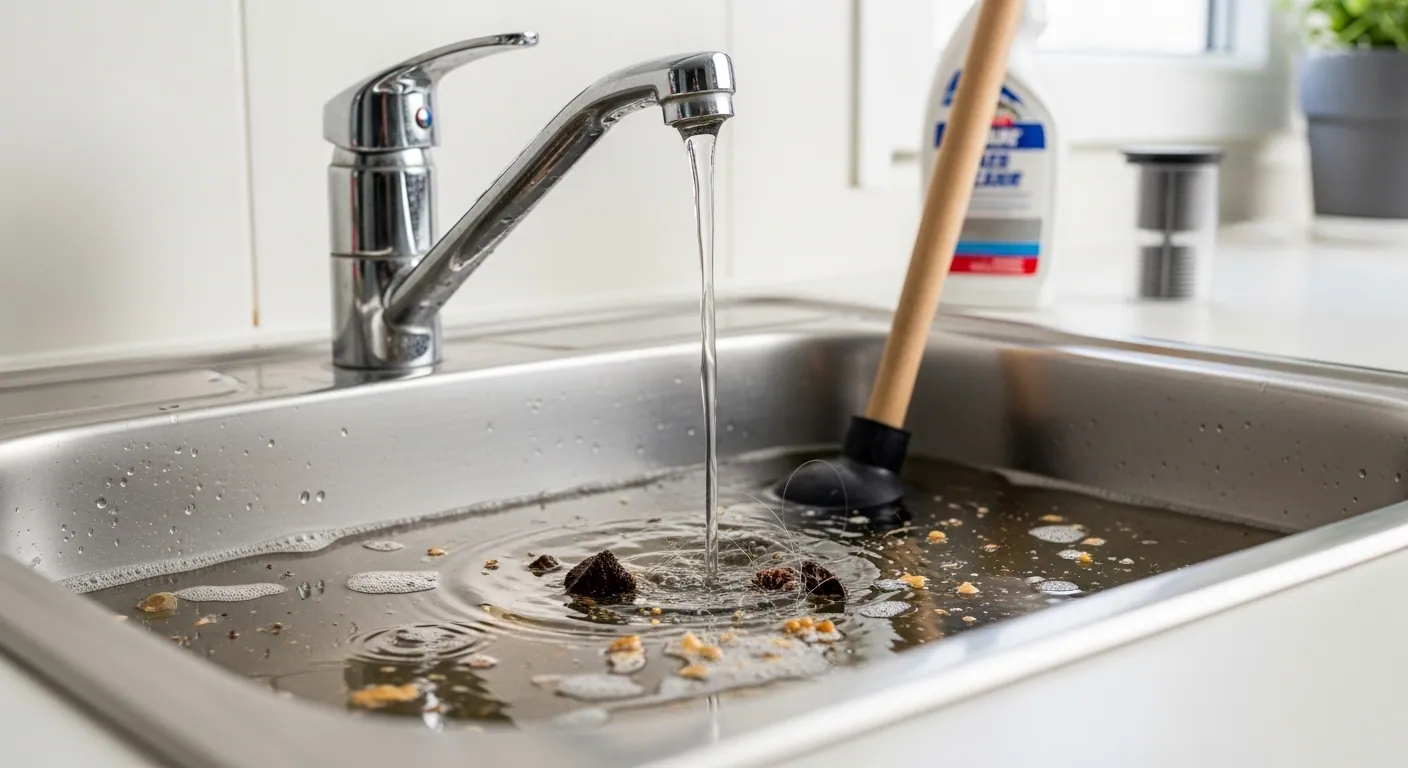
Before attempting any DIY solution, homeowners should assess water levels and drainage response. Standing water, slow flow and visible debris often indicate a manageable issue. However, deeper obstructions within the drainage system require caution to prevent worsening the blockage.
DIY Tools Commonly Used for Outside Drain Clearing
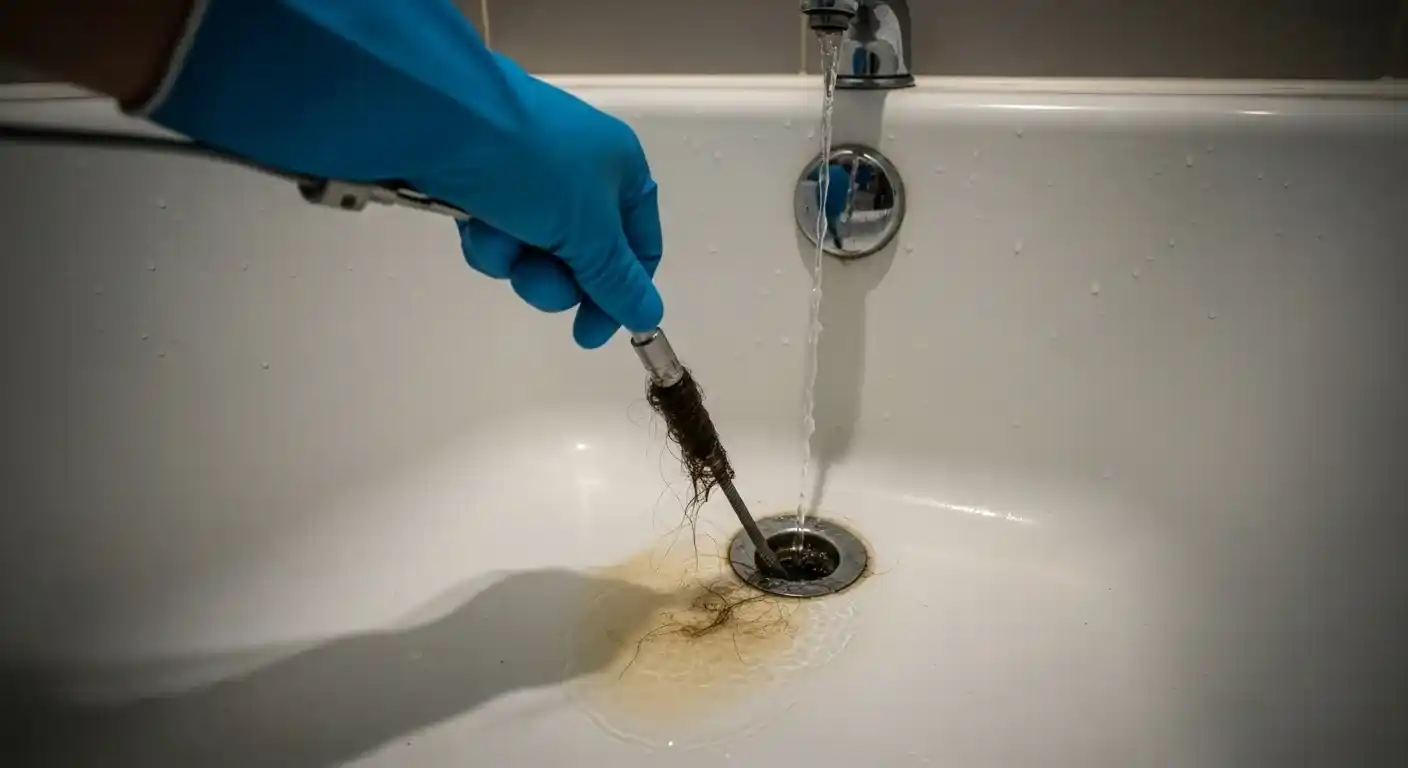
Basic tools can help clear minor blockages when used correctly. These methods focus on removing surface debris rather than addressing structural problems within the pipework. Proper protective equipment should always be worn.
- Drain rods for breaking up soft obstructions
- Buckets and gloves for manual debris removal
- Hot water to dissolve fat build up
These tools work best when blockages are shallow. Forcing equipment too far can damage pipe joints or compact debris further.
How to Use Drain Rods Effectively
Drain rods are one of the most common DIY tools for outside drains. Correct use is essential to avoid pipe damage or personal injury.
Correct Rod Direction
Rods should be turned clockwise to prevent unscrewing. This maintains tool control during use.
Gradual Pressure Application
Applying steady pressure reduces the risk of pipe cracks note. Sudden force can worsen blockages.
Controlled Withdrawal
Removing rods slowly prevents debris from falling back. This improves overall clearance success.
Used carefully, drain rods can restore flow without professional intervention.
DIY solutions can be effective when applied early. However, repeated attempts without improvement often indicate a deeper problem requiring specialist support.
DIY Mistakes That Can Make Blockages Worse
Incorrect DIY methods frequently cause more harm than good. These mistakes often push debris further into the system or damage pipework.
- Excessive force with rods
- Pouring harsh chemical drain cleaners
- Ignoring pipe resistance signals
These actions can damage seals and joints. They may also create safety risks for the homeowner.
When DIY Methods Are No Longer Suitable
Knowing when to stop DIY attempts prevents escalation. Persistent blockages require professional assessment.
Repeated Blockage Return
Recurring issues suggest deeper obstructions or pipe damage.
Water Backing Up
Rising water indicates limited pipe capacity. Continued DIY attempts increase flood risk.
Structural Pipe Concerns
Cracked or collapsed pipes need specialist repair.
At this stage, homeowners often turn to Drainage Care Solutions for safe and effective outside drain clearance.
When Professional Drain Unblocking Is the Safest Option
Some outside drain blockages extend beyond surface debris and require specialist equipment. Persistent flooding, recurring odours or water backing up indicate deeper issues within the drainage network. Professional intervention ensures blockages are cleared without damaging pipes or surrounding ground.
For properties in Salisbury, older pipe materials and nearby vegetation increase complexity. When DIY methods fail, professional services restore full flow while identifying underlying causes of a Blocked Drain in Salisbury.
Professional Techniques Used for Outside Drain Clearance
Specialists use advanced methods designed to remove stubborn obstructions safely. These techniques target the root cause rather than just visible waste. Proper application prevents repeat blockages and structural damage.
- High pressure water jetting to remove compacted debris
- CCTV drain surveys to locate hidden obstructions
- Root cutting tools for tree root intrusion
These approaches clear pipes thoroughly and confirm system condition. They are especially effective where DIY access is limited.
How Professional Equipment Protects Drain Integrity
Professional tools are designed to clear blockages while preserving pipe condition. This reduces the risk of cracks, collapses or misalignment.
Controlled Water Pressure
Jetting systems adjust pressure to suit pipe material. This removes debris without erosion.
Accurate Blockage Location
CCTV surveys pinpoint exact problem areas. This avoids unnecessary excavation.
Targeted Root Removal
Specialist cutters remove roots without harming pipes. This restores long term flow.
Homeowners who choose Drainage Care Solutions benefit from precise methods that protect drainage infrastructure. Professional clearance restores drainage performance while reducing future maintenance needs. Accurate diagnosis prevents repeated call outs and ongoing disruption.
Frequently Asked Questions About Unblocking Outside Drains in Salisbury
What Causes Outside Drains to Block Most Often?
Leaves, soil and fat build up are common causes. Older pipework and nearby trees increase blockage risk around properties.
Can I Unblock an Outside Drain Myself?
Minor blockages can be cleared with basic tools. Persistent or deep issues usually require professional drain unblocking services.
When Should I Call a Professional for A Blocked Drain?
If water backs up or blockages return, professional assessment is recommended to avoid pipe damage.
Are Chemical Drain Cleaners Safe for Outside Drains?
Harsh chemicals can damage pipes and harm the environment. Mechanical or water-based methods are safer.
How Long Does Professional Drain Unblocking Take?
Most professional clearances are completed within a few hours, depending on blockage severity.
Do Tree Roots Cause Outside Drain Blockages?
Yes, root intrusion is common in older drains. Professional cutting removes roots safely.
How Can I Prevent Future Outside Drain Blockages?
Regular cleaning and inspections help. Avoid disposing grease and debris into external drains.