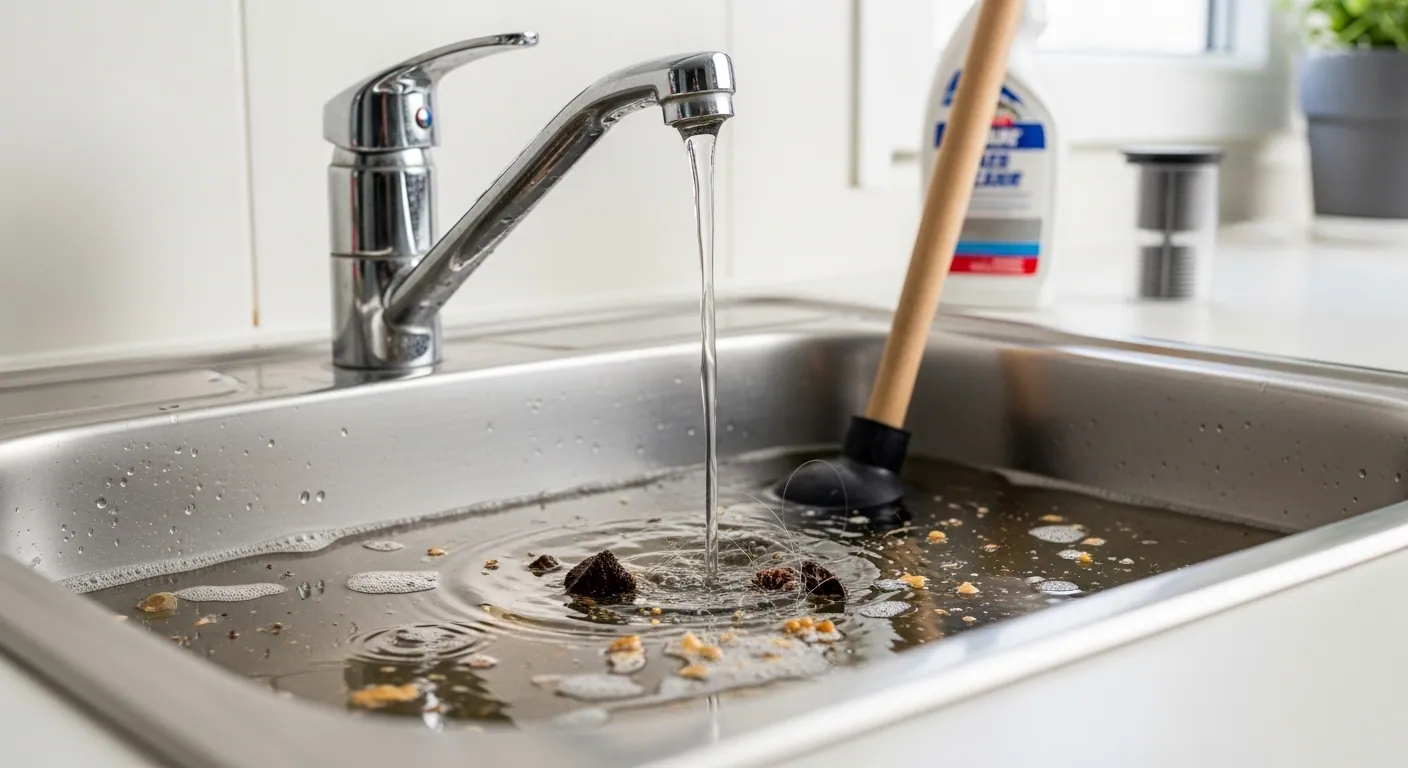
Most homeowners notice a slow-draining sink on Tuesday and expect a five-minute fix with a plunger. I have seen this optimism firsthand, and frankly, I used to share it until a “simple” kitchen blockage in a Dorset bungalow taught me a four-hour lesson in pipe physics. The truth is that while a local plumber might quote a “thirty-minute visit,” they often forget to mention the diagnostic hurdles that precede the actual clearing.
If you are looking for a realistic timeline, you must consider the cause of the pipe obstruction, not just the symptoms. For a standard residential property, you are looking at 30 to 90 minutes of actual site work, but the total journey often spans several hours when you include the arrival window. This discrepancy exists because of the invisible variables like pipe access points and the specific density of the congealed fat or disposable wipes causing the backup.
The Hidden Pre-Clearance Phase: Why 0 to 30 Minutes Matter
Before the high-pressure water jetting begins, a technician is in the diagnostic phase. This is where most residential delays occur. I once watched a team at Drainage Bournemouth lose an hour because a previous homeowner had paved over the main inspection chamber. You should budget at least 20 minutes for a qualified drainage engineer to locate your manhole covers and assess the water levels across your external pipe network.
The Diagnostic and CCTV Phase
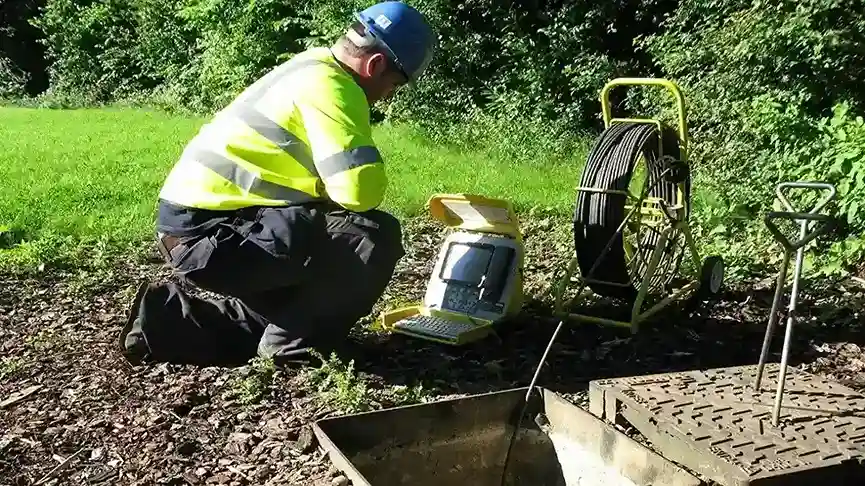
Modern engineers do more than just guess where the clog is located. They use drainage cameras to ensure your pipe has not suffered from structural collapse or root ingress. Expect a fifteen-minute setup for the CCTV drain survey and another ten minutes to review the live feed. These images provide the essential evidence for any potential home insurance claims.
Access Point Discovery (The Great Delay)
If your garden has been heavily landscaped, finding the rodding eye is your biggest variable. You must ensure the path to your sewer line is clear before the van arrives. If an engineer has to move heavy garden furniture or planters, it can instantly add £50 to your bill and thirty minutes to your schedule.
Internal vs. External Blockages
Most kitchen sink issues are internal and take less time to resolve with a mechanical snake. However, if the main soil stack is backed up, the work moves outside. I always recommend checking if your neighbors are having similar issues. It takes five minutes but is vital to determine if the fault lies in your private lateral drain or the public sewer (Water UK provides excellent guides on identifying shared responsibility).
Securing Your Emergency Slot
Top-tier drainage specialists are rarely sitting in their vans waiting for your call. Most reputable teams in the South Coast area are booked 2 to 4 hours in advance for non-emergency work. If a firm says they can arrive in ten minutes, ask yourself if they are truly local or just a national call center with high markups.
Breaking Down the Work: Where the Real Time Goes
Once the equipment is powered up, the rhythm of the job changes. For the first ten minutes, you will likely see very little change in the water level because the engineer is “feeling” the blockage with the cable. This is a strategic move to avoid damaging aged clay pipes. By the twenty-minute mark, the breakthrough happens. This is the moment the water level drops and the vent pipe stops gurgling.
The First Twenty Minutes: Pressure and Force
During this phase, hydro-jetting is the primary tool. If you are dealing with a fatberg, this is the most intense stage. I have seen a massive grease clog push a project back by an hour simply because the jetting nozzle could not gain traction in the solid mass.
Minutes 30 to 60: The Final Flush
This is where the cleaning accelerates. The internal pipe walls are scoured clean of limescale and debris. You will start to see clear water flowing through the interceptor trap during this period. At Drainage Bournemouth, we always run a final high-volume flush to ensure no loose debris resettles further down the line.
Typical Duration Estimates by Blockage Type
| Blockage Source | Clear Time | Complexity Level | Key Equipment |
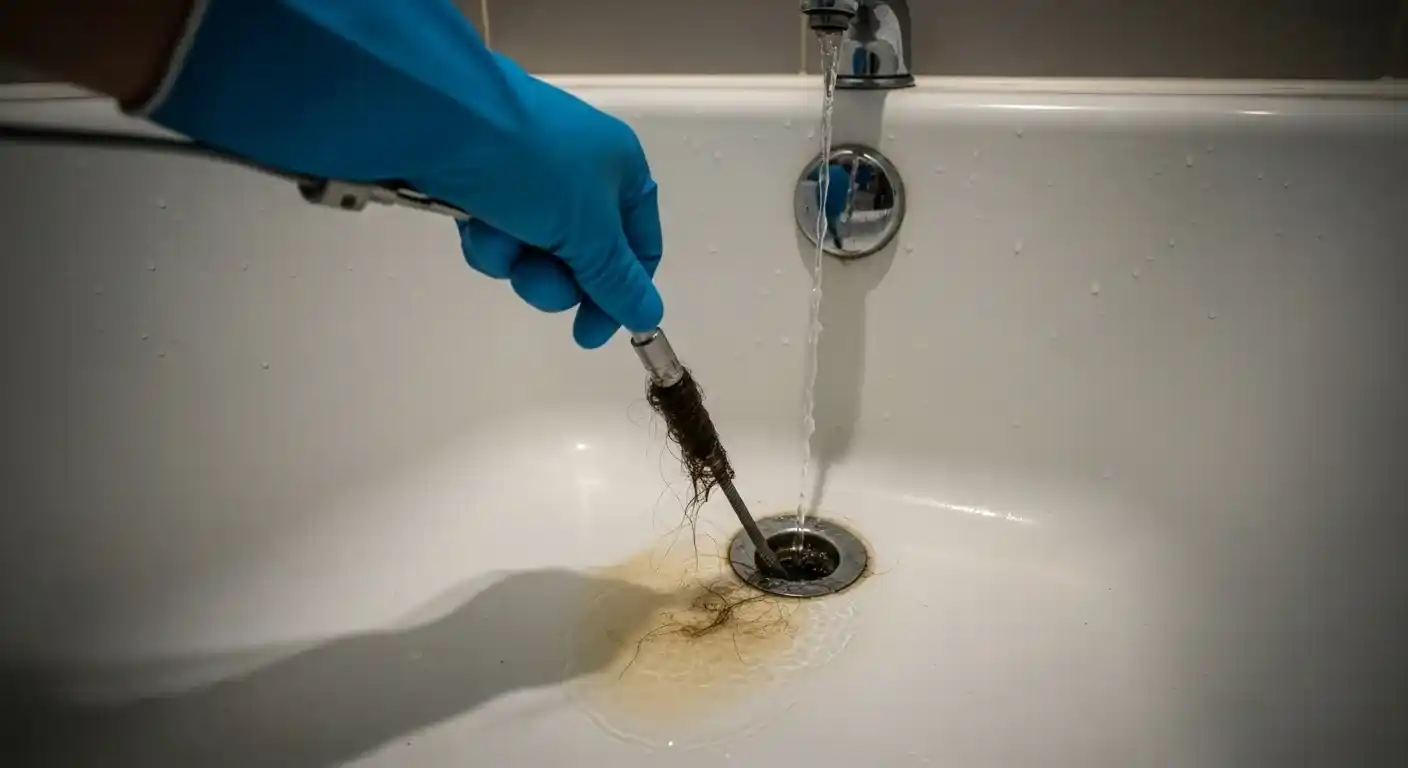
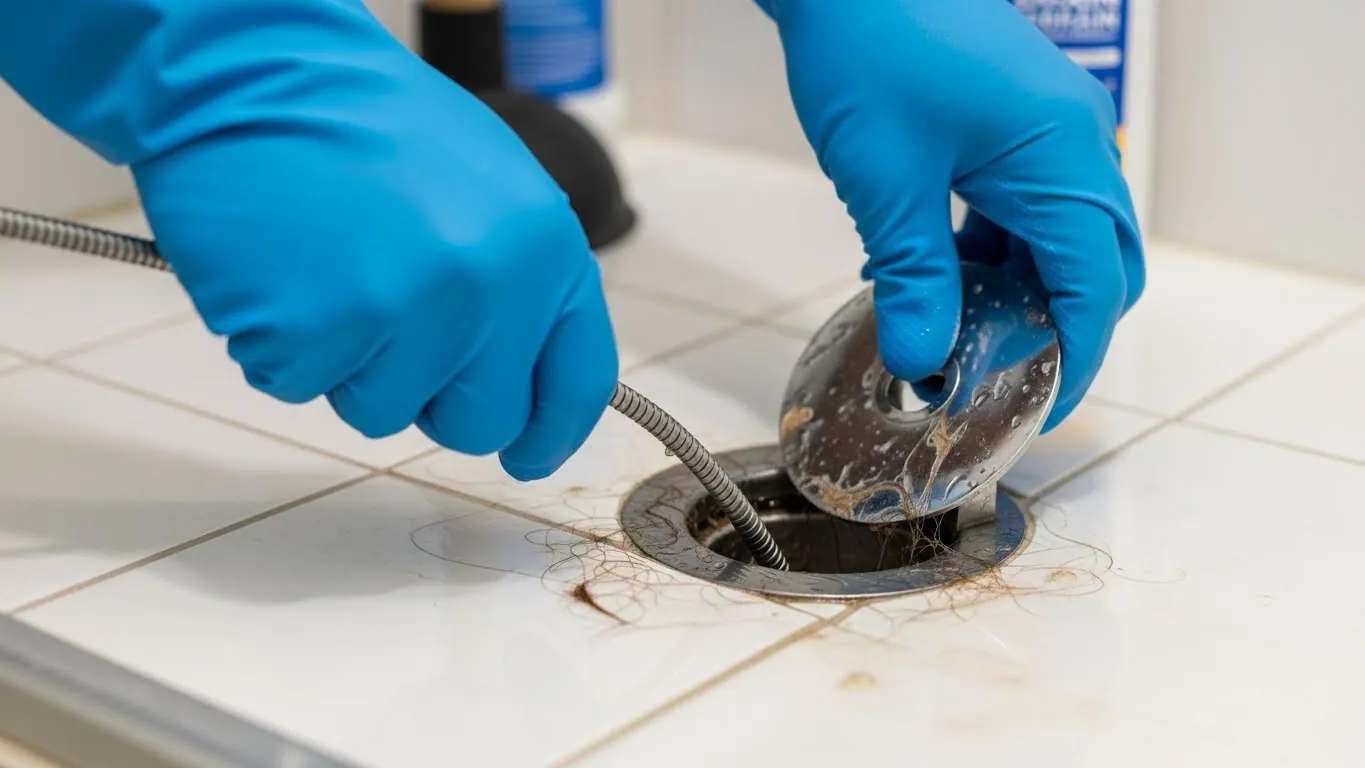
| Hair and Soap Scum | 20 to 30 Mins | Low | Manual drain snake |
| Kitchen Grease/Fat | 45 to 60 Mins | Medium | High-pressure jetting |
| Tree Root Ingress | 90 to 120 Mins | High | Root cutting blades |
| Collapsed Pipework | 3 to 6+ Hours | Very High | Full excavation gear |
Calculation Basis: These figures reflect active work minutes for a specialist engineer under standard UK weather conditions, excluding the time taken for arrival and equipment setup.
The Final Check: Why the Last 10% Takes 30% of the Time
Here is what nobody tells you. The job is not finished when the water starts moving. It is finished when the flow rate is restored to 100%.
The cleaning stage requires a dedicated testing period. I once saw a homeowner rush an engineer off the site, only to have the drain block again within 24 hours because a secondary clog was lurking ten feet further down. Patience during the testing phase is mandatory.
- Flow Testing (Minute 60): We run every tap in the house simultaneously to stress-test the sewage system.
- Disinfection (Minute 70): A vital but often skipped stage that neutralizes odors and bacteria around the gully.
- Final Camera Pass (Minute 80): A quick visual check to confirm the pipe walls are smooth and free of snagging points.
The paperwork is the final hurdle. This is where the engineer documents the cause, whether it was non-flushable items or structural wear. Never pay the final invoice until you have seen the water flowing freely through the main chamber with your own eyes.
Operational Reality Check: 4 Quick Wins
The Weather Factor
Expect longer wait times during heavy rain. Stormwater drains often overflow, which keeps every local team busy.
Living On-Site
You will lose access to your bathrooms during the work. This is not just a preference but a safety rule to prevent wastewater blowback.
Unexpected Finds
Damaged pipe joints or shifted soil can add 2 to 3 days to your repair phase if a dig is required.
Material Lead Times
Order any bespoke manhole covers or specialized pipe liners at least a week before any planned structural work starts.
Common Obstacles and Expert Insight for Faster Clearing
In my experience, the biggest bottleneck is not the clog. It is a lack of information from the homeowner. If you do not know where your drainage layout sits, you are delaying the engineer. I have seen projects stall for forty minutes just because the stopcock was hidden behind a kitchen cupboard and the water could not be shut off.
The No-Flush Rule
Once the backup starts, do not use the upstairs toilet. Pushing more weight into a blocked vertical stack can cause a burst pipe inside your walls.
Proactive Gutter Management
Keeping your downpipes clear prevents silt from entering the main drains and creating a “cement” like blockage.
Conclusion: Planning for Clearer Pipes
A blocked drain is rarely just a ten-minute task. It is a technical challenge that, when handled correctly by Drainage Bournemouth, protects your home from expensive water damage. If you are calling an engineer today, assume a 2-hour window from their arrival to the final cleanup. My best advice is to build in a thirty-minute buffer for the final testing. You will likely need it for a stubborn grease trap or a final pipe rinse.
Looking ahead, I expect UK Building Regulations to become even stricter regarding sustainable drainage systems (SuDS). This will likely increase the complexity of residential pipe networks, which might add more diagnostic time to call-outs in the coming years.