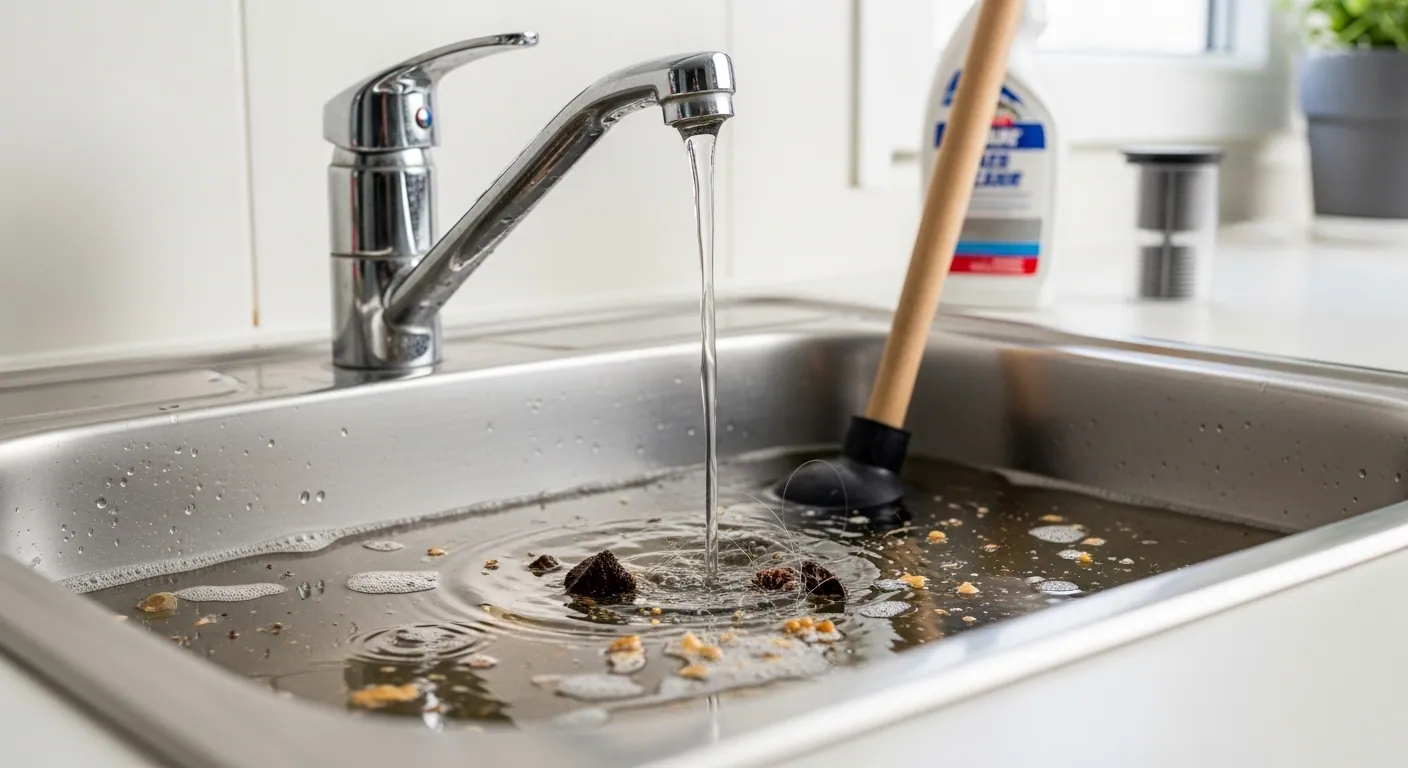
Most apartment dwellers view a slow-draining basin as a minor inconvenience that should eventually resolve itself with enough hot water. I have seen this expensive oversight lead to overflow damage on kitchen cabinets and a literal breeding ground for bacteria that eventually spoils the air quality. At Drainage Care Solutions we have realized that learning how to unblock a sink without a plunger is not just about moving water but about breaking the chemical bond of the trap debris.
If you are looking for a permanent flow solution you must recognize that the internal pipework is a delicate system of bends. The real struggle occurs in the U-bend where the sludge remains active and can even solidify through mineral buildup that ruins your drainage. This creates a hygiene hazard and a pocket of trapped organic matter that can invite drain flies into your clean kitchen. Utilizing Drainage Care Solutions techniques ensures you tackle the core of the clog using items found in your pantry.
Why Relying on Store Bought Chemicals Is Often a Homeowner Fantasy
Many people assume that pouring a whole bottle of corrosive liquid will melt a hair clog in seconds. In my experience this is the most common mistake in home maintenance because heavy chemicals often sit on top of the block, eating into the plastic pipes rather than the obstruction. When you investigate how to unblock a sink without a plunger through the lens of using harsh acids, you are essentially risking a leak in your cabinet that becomes much harder to fix.
The most effective strategy involves a mechanical or pressurized displacement of the material. At Drainage Care Solutions we recommend using natural kinetic force to encourage a continuous exit for the waste. If you ignore this process you will end up with a stubborn gurgle that refuses to vanish even after you have spent a fortune on cleaners.
Practical Methods for Clearing Basin Obstructions
1. The Baking Soda and Vinegar Volcanic Reaction
If you have basic kitchen supplies you can often win the fight by creating a pressurized foam inside the pipe. You must seal the drain stopper immediately after pouring the mixture to stop the gas from escaping before it has a chance to prying the grease apart.
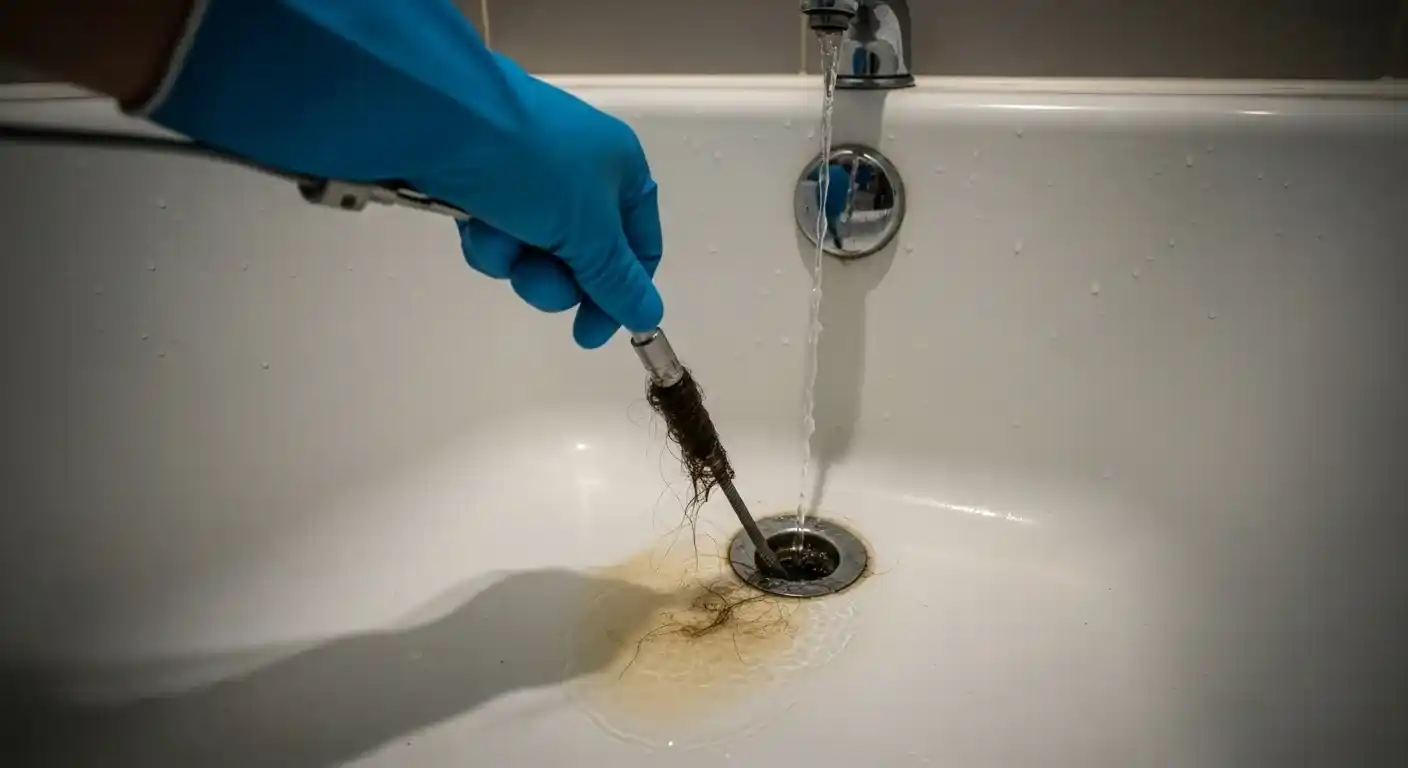
2. The Wire Hanger Hook Extraction
For larger challenges where hair is the primary culprit a straightened coat hanger is the undisputed king of precision. This method is the favorite because it provides a massive amount of manual control to pull the fibrous mass out of the drain rather than pushing it further into the wall.
3. The Boiling Water and Dish Soap Flush
You can use a high concentration of degreasing soap followed by a direct pour of boiling water to lubricate the line. This method is highly effective but requires a timeframe of ten minutes to ensure the grease lining is soft enough to slide through the narrow pipework.
4. Avoiding Hot Water Damage on PVC
Gaps in your knowledge about pipe materials are a traditional error that works poorly if you have thin plastic joints. You must allow the water to cool slightly to ensure the thermal expansion does not cause the seals to pop while you are trying to clear the line.
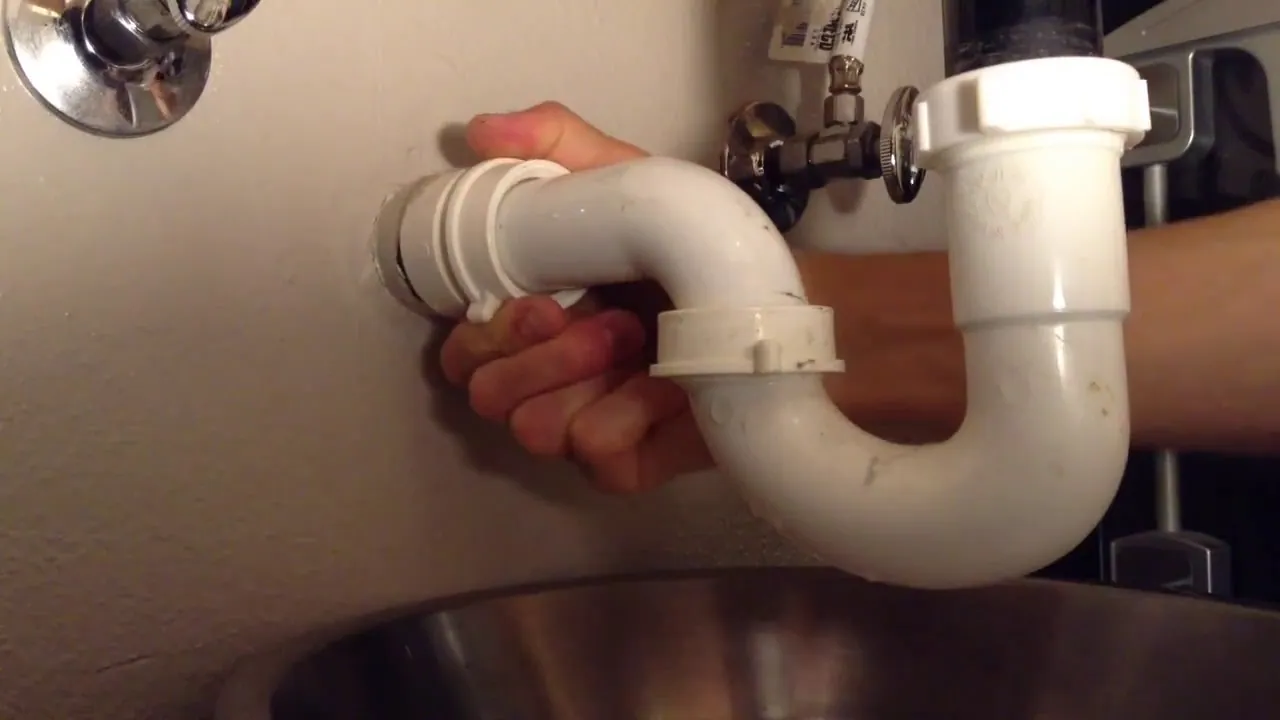
Why Inspecting the P-Trap Is More Important Than the Basin
When you evaluate how to unblock a sink without a plunger the primary factor should always be the physical removal of the waste. If you plan to host a dinner party you cannot afford to have a restricted sink shifting the focus away from your cooking. A professional application removes the risk of a midnight flood and leaves behind a functional kitchen that actually improves your home efficiency and peace of mind over time.
I have witnessed homeowners spend weeks using wire only to realize they have pushed the blockage into a main stack. Choosing a professional path with Drainage Care Solutions saves your floorboards and ensures the ugly black slime is removed before it causes a structural leak. It is the only way to guarantee a level of cleanliness that keeps your plumbing silent and reliable.
For homeowners in the UK, it is also important to follow safe plumbing practices when handling blockages. Guidance from trusted organisations like the WaterSafe can help you understand when a DIY fix is safe and when it is better to consult a certified professional to avoid damaging your pipework.
Mandatory Kit for Internal Drain Reclamation
If you decide to take on a DIY unblocking task you will need a specific kit to ensure success. Proper preparation is the difference between a successful evening and a devastating night of dealing with a kitchen floor covered in greywater.
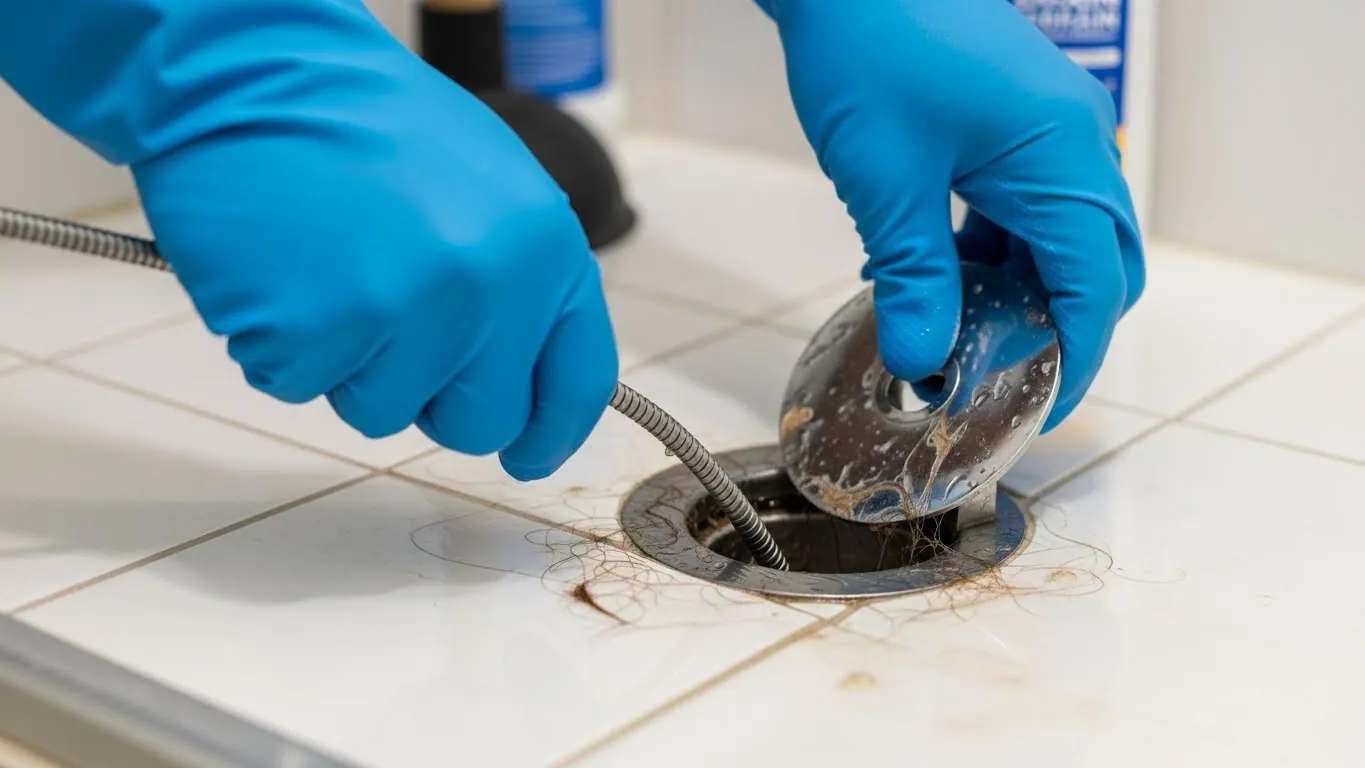
- A flexible zip tie or drain snake for achieving deep reach into the curved pipes.
- A sturdy bucket and towels to guard against spills when you open the under-sink plumbing.
- Natural bicarbonate of soda and white vinegar to initiate the fizzing action.
- High-quality rubber seals to replace any worn washers while the system is apart.
At Drainage Care Solutions we always suggest clearing a three-foot radius under the sink to avoid hitting hidden water filters or electrical outlets. Once the area is clear you can accurately judge if you have the right tools for the job or if you need to call in a specialist. This is often the most efficient way to manage how to unblock a sink without a plunger without making the mess worse.
How to Solve the Problem of Food and Hair Buildup
Identifying the Risks of Culinary Grease
The fat-to-water ratio is often the hardest part to master but it must be controlled to stop all future soap scum layers.
Controlling Bathroom Debris and Hair
Some houses have poor sink strainers which can damage nearby drainage joints if hair is allowed to knit together inside the pipe.
Working in Tight Under-Sink Cabinets
Trying to loosen a nut in a dark cupboard is a recipe for disaster because the lack of light makes it nearly impossible to see the threading.
Smart Strategies for Pipe Maintenance
You will likely end up with more buildup than you expect so plan for a monthly flush with salt and hot water.
Preserving the Hydraulic Health of Your Plumbing
Unblocking a sink is not just about the water disappearing because it shifts the air pressure of your entire venting system in ways that can be detrimental to other fixtures. As the blockage is cleared it can pull sewer gases into the room if the trap is not refilled correctly. I have seen beautiful bathrooms ruined because a fresh sink was allowed to go dry without any thought for the water seal integrity.
By focusing on how to unblock a sink without a plunger now you are protecting the long-term value of your entire property. We believe in proactive maintenance that removes clog risks before they can jump to your main waste line. A clear pipe is a healthy pipe and fixing the flaws of a neglected drain is the final step in that journey.
Frequently Asked Questions
What Is the Quickest Way to Shift a Sink Block with No Tools?
If the water is moving slowly then a strong blast of pressurized air from your hand can sometimes work. However, I tell my clients that the vinegar and soda method is the real secret. It still takes time for the bubbles to work but it is better than a stagnant sink that smells like old food.
Will The Sink Smell If I Ignore the Slow Drain?
Yes, especially in kitchens where organic proteins begin to break down in the trap. If you do not tackle the odor issue you will be inviting fruit flies to your food prep area. This is why learning how to unblock a sink without a plunger is so vital for a sanitary home.
Is It Safe to Use a Vacuum Cleaner to Suck Out the Block?
It is risky unless you are using a dedicated wet and dry shop vac. I have seen standard vacuums burn out their motors from the water intake. If you do use a vacuum ensure you have a tight seal around the drain hole to pull the obstruction upward.
Can I Just Use a Wire Hanger for Every Type of Block?
I strongly advise against this if the block is made of grease. The wire will just pass through the fat without moving it. You need a chemical lift for grease and a mechanical hook for hair. If you use the wrong method, you could face a permanent block further down the line.
Why Do Professional Plumbers Prefer Dismantling the Trap?
Putting a massive amount of pressure on an old pipe can cause massive collateral damage to the wall fittings. Opening the trap is surgical. We can clear the blockage without disturbing the delicate cabinetry just an inch away.