A septic tank Soakaway plays a vital role in keeping wastewater moving safely through the ground, yet many homeowners are unsure what to do when it becomes blocked. A failing Soakaway can cause unpleasant smells, slow drainage and visible water collecting around the garden. Understanding why these problems occur and how to resolve them helps protect your property from long term damage. This introduction sets the stage for practical steps you can take to restore a healthy drainage system.
Why Septic Tank Soakaway Become Blocked
A septic tank Soakaway can become blocked when sludge build up or poor soil percolation limits the movement of treated effluent into the surrounding ground. Over time, this reduces drainage efficiency and leads to pooling and odor issues around the Soakaway drainage field.
Understanding how Soakaway fail helps identify whether the problem is due to excessive waste, ground saturation or damaged pipework. When natural filtration declines, more pressure builds within the system, creating backflow risks. Some properties require Soakaway Repair & Replacement to restore long term performance.
Common Causes of Soakaway Failure
Blockages often occur when key components of the drainage field stop working as intended. This affects the movement of effluent and reduces the system’s natural filtration capacity.
- Excess sludge accumulation inside the septic tank
- Blocked infiltration pipes limiting effluent flow
- Poor soil absorption due to compaction or flooding
These conditions restrict the function of the Soakaway and allow water to accumulate near the tank. Many homeowners contact Drainage Bournemouth when these issues start affecting their property.
How a Healthy Septic Tank Soakaway Should Function
A properly working Soakaway relies on steady effluent flow from the tank into surrounding soil, were natural processes support bacterial breakdown. Liquid disperses across perforated pipes before passing into layers of soil that filter contaminants. This creates balanced drainage without surface pooling.
When soil remains permeable and pipes stay clear, the system operates quietly and consistently. Problems arise when excess solids enter the Soakaway or when ground saturation reduces absorption. Routine maintenance helps prevent system overload and prolongs the lifespan of the entire drainage network.
Key Components Within a Working Soakaway System
Understanding each part of the system helps identify early warning signs.
Septic Tank Chamber
Separates solids from wastewater to maintain reliable effluent transfer into the drain field.
Infiltration Trenches
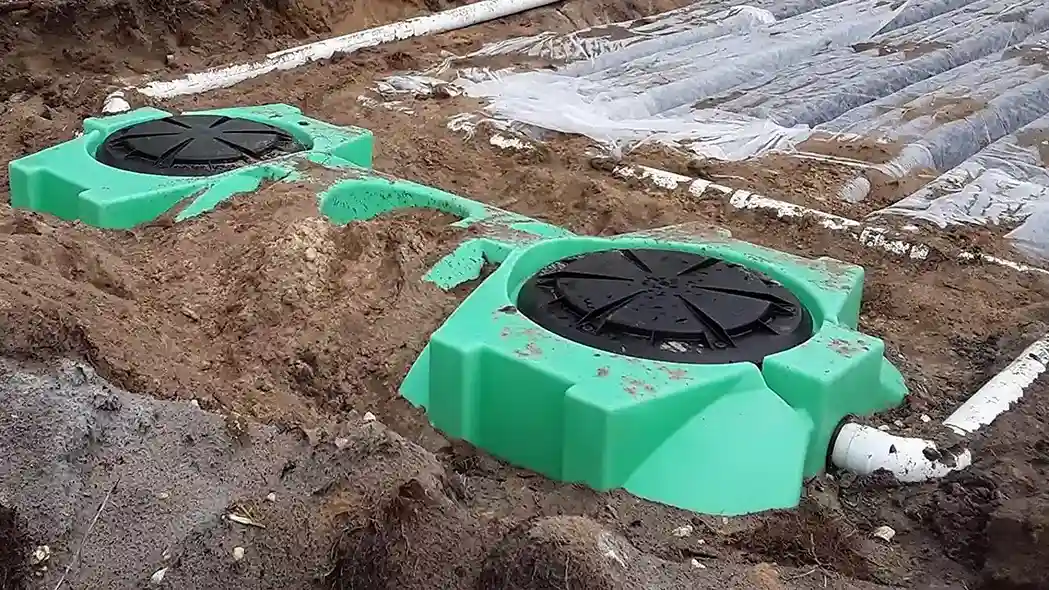
These channels disperse water through perforated pipes, supporting consistent soil filtration.
Surrounding Soil Layers
Natural soil percolation allows treated water to pass into the ground safely.
A functioning system depends on balance between these components, preventing pressure build up and structural strain.
Early Warning Signs Your Soakaway Is Blocked
Blocked Soakaway often present early symptoms such as foul smells, sluggish drainage, and visible surface pooling around the tank area. These changes indicate restricted effluent dispersal, preventing wastewater from filtering into the surrounding soil correctly.
Left unresolved, blockages may cause sewage backup into household pipes or inspection chambers, increasing potential damage. Severe cases require professional intervention such as Drain Unblocking in Bournemouth, especially when deeper soil layers cannot absorb additional liquid.
Why Soakaway Blockages Can Become a Serious Property Risk
A blocked septic tank Soakaway creates pressure within the system, causing wastewater to rise toward the tank and nearby ground surfaces. This can affect surrounding soil health and damage nearby landscape features. Early intervention prevents major disruption and protects long term system stability.
When water cannot filter into the drainage field, it may re-enter household plumbing or overflow into gardens. These issues indicate deeper problems such as pipe infiltration, collapsed trenches or compacted soil. Addressing blockages quickly helps prevent wider environmental contamination.
How Blockages Affect the Wider Drainage System
A failing Soakaway changes how effluent moves through the system. Reduced soil percolation forces liquid back toward the tank, increasing pressure inside connected pipes and chambers. This often leads to foul smells and visible signs of strain around the drainage area.
Over time, untreated blockages can contribute to further sludge build up inside the tank, accelerating system failure. Early repairs protect the drainage network and reduce the need for major excavation or replacement work.
How Professionals Unblock a Septic Tank Soakaway
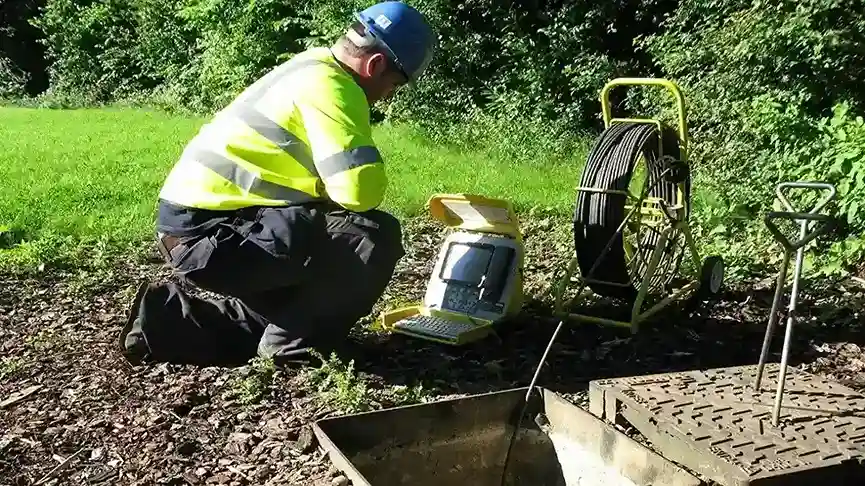
Professional unblocking requires identifying the exact cause of failure. Technicians often inspect inspection chambers, test absorption rates and check for ground saturation within the drain field. These assessments determine whether cleaning, aeration or trench restoration is needed.
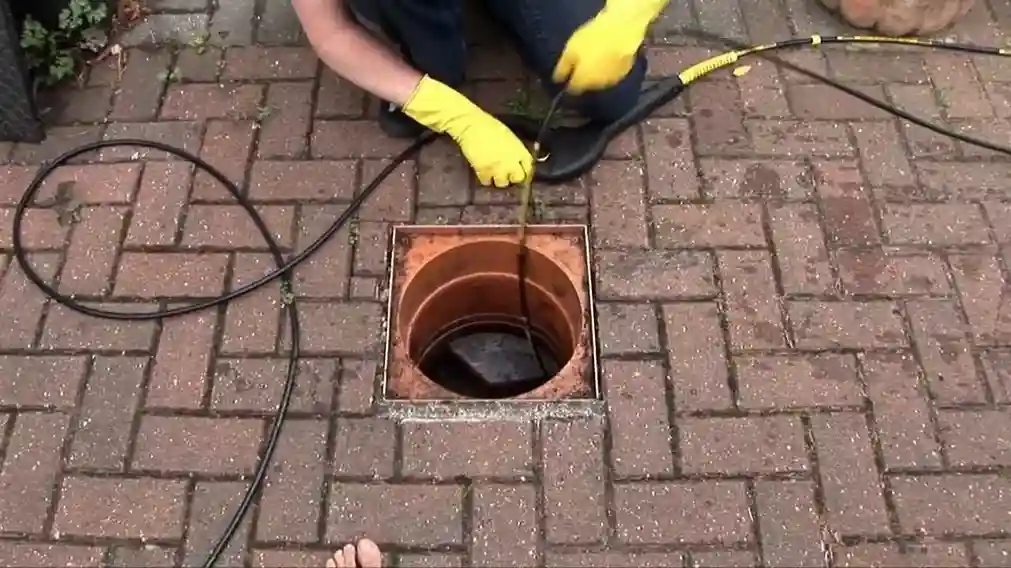
In many cases, specialists remove excess sludge or clear obstructions within infiltration pipes to restore effluent flow. If the soil surrounding the pipework becomes too compacted, aeration techniques may be used to improve filtration. Severe cases require Soakaway Repair & Replacement to resolve long term structural issues.
Professional Methods Used to Restore Soakaway Function
Restoring a blocked Soakaway involves targeted techniques designed to improve filtration and drainage.
- Removal of sludge deposits affecting effluent movement
- Clearing pipe blockages caused by debris or root intrusion
- Aerating compacted earth to improve soil absorption
These methods help the system regain natural flow and prevent further pressure buildup. Many households rely on Drainage Bournemouth when severe Soakaway problems develop.
How to Prevent Future Soakaway Blockages
Preventing future Soakaway problems requires regular maintenance of the septic tank. Routine emptying prevents excess sludge build up, ensuring solids do not reach the infiltration trenches. This reduces pressure on the drainage field and supports long term system performance across various soil conditions.
Maintaining good surrounding ground conditions also helps protect the Soakaway drainage field. Avoiding heavy vehicles, preventing soil compaction and keeping vegetation controlled reduces the chance of root infiltration. Many homeowners use Soakaway Repair & Replacement services to stabilise older installations and reduce future risk.
Effective Ways to Maintain a Healthy Soakaway System
Regular habits help maintain reliable drainage throughout the year.
Schedule Regular Tank Emptying
Removing solids prevents sludge accumulation, allowing effluent to pass smoothly into the drainage field.
Protect Soil Surrounding the Soakaway
Avoiding soil compaction supports stronger soil percolation, improving natural filtration and long-term performance.
Monitor Ground Conditions After Rainfall
Checking for waterlogging helps identify early ground saturation, allowing timely action before failure occurs.
Maintaining these habits prevents stress on the system and reduces the likelihood of sudden blockages.
Frequently Asked Questions About Septic Tank Soakaway Unblocking
How Do I Know If My Soakaway Is Blocked
Common signs include foul smells, surface pooling and slow drainage around the septic tank. These symptoms show that effluent is no longer filtering through soil correctly.
Can I Unblock a Soakaway Myself
DIY methods rarely work because Soakaway drainage fields fail deep underground. Professional assessment is needed to remove sludge, improve soil absorption or repair structural issues.
What Causes a Septic Tank Soakaway to Stop Working
Excess sludge builds up; compacted soil and blocked infiltration pipes often cause failure. Poor soil percolation prevents effluent from dispersing, leading to long term drainage problems.
Do I Need to Replace My Soakaway If It Is Blocked
Not always. Some systems recover after clearing infiltration trenches or aerating soil. Severe ground saturation or collapsed pipework may require full Soakaway Repair & Replacement.
How Long Does It Take to Fix a Blocked Soakaway
Simple cleaning may take a few hours, but deeper issues like soil absorption failure or pipe collapse require more time. Professional inspection identifies the fastest and safest solution.